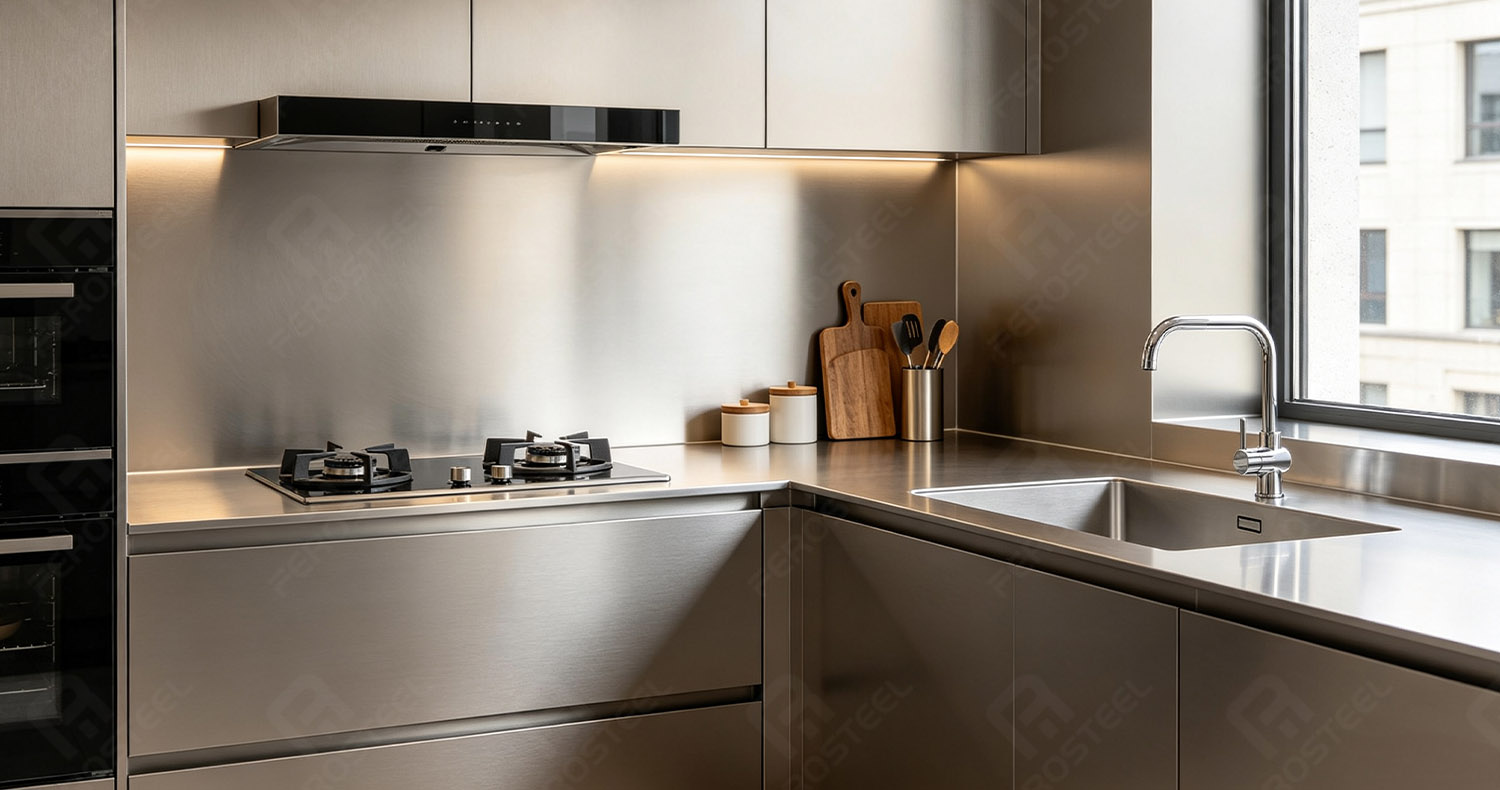
Stainless steel countertop sheets are widely used in modern kitchens and commercial environments because they offer a combination of durability, hygiene, and ease of maintenance. Unlike traditional countertop materials such as wood, marble, or artificial stone, stainless steel performs more consistently in environments where heat, moisture, and frequent cleaning are part of daily use.
In recent years, more residential kitchens have also started to adopt stainless steel countertops, especially in modern minimalist or industrial-style interiors. However, the material is still most commonly found in commercial applications such as restaurants, hotels, bakeries, and food processing facilities, where performance is more important than decoration.
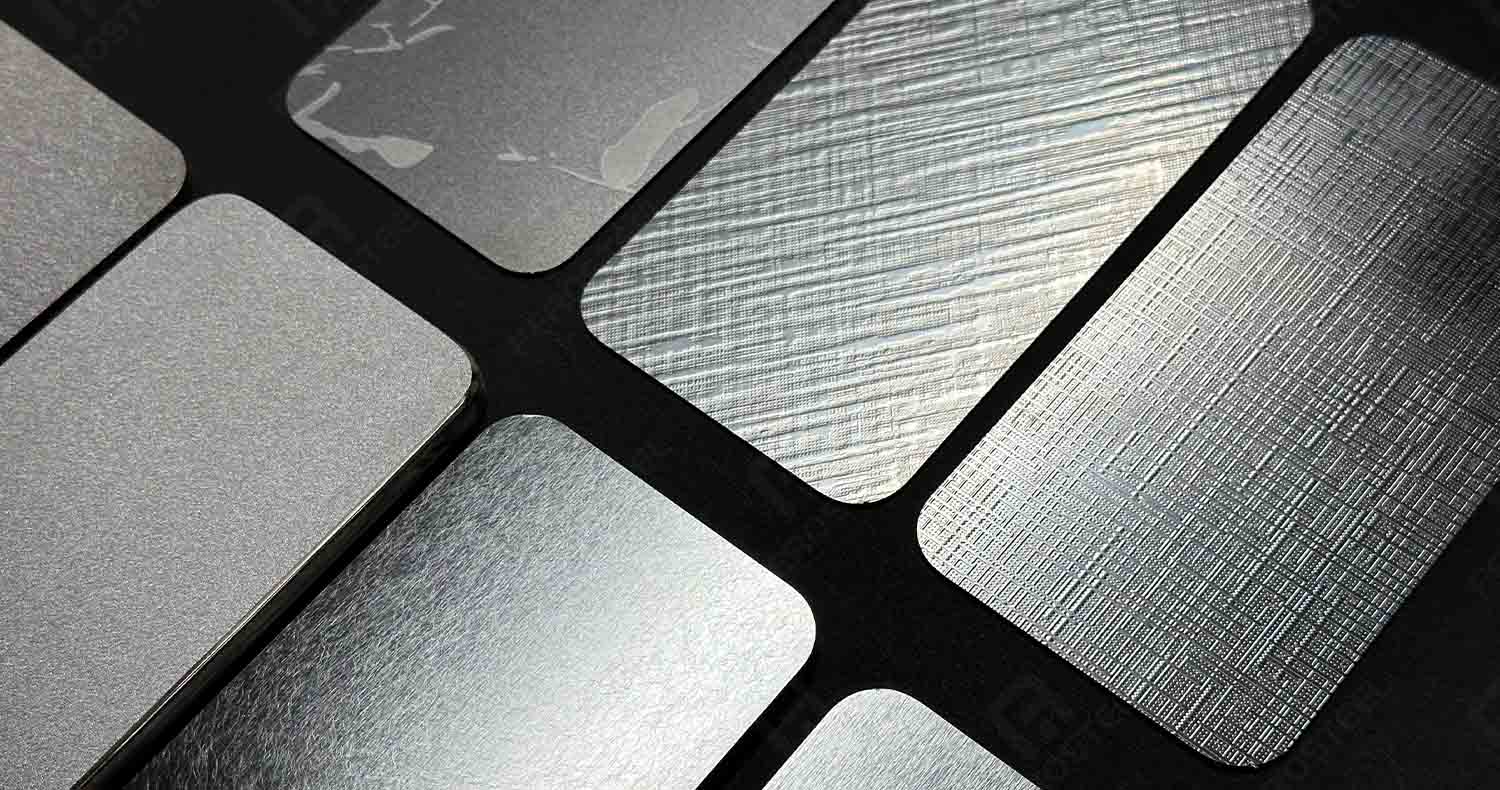
A stainless steel countertop sheet is a flat metal panel designed specifically for work surfaces. It is usually manufactured using stainless steel grades such as 304, 316L, or 201, depending on the application requirements and budget.
The material is processed into sheets with a smooth or textured surface, which can then be fabricated into countertops or integrated work surfaces. Because stainless steel does not absorb water or oil, it provides a clean and stable working environment, especially in food-related industries.
The main reason stainless steel is chosen for countertops is not appearance, but practicality. In real-world applications, especially in commercial kitchens, surfaces are exposed to heat, knives, liquids, and constant cleaning. Many traditional materials tend to degrade under these conditions over time.
Stainless steel performs better in several key aspects:
Because of these characteristics, it has become a standard material in professional kitchen environments.
Stainless steel countertops are designed for long-term use. Even under heavy daily operation, they maintain structural integrity without significant wear or damage.
The non-porous surface prevents bacteria and liquid absorption, making it suitable for food preparation areas where hygiene is essential.
Hot cookware can be placed directly on the surface, and long-term exposure to water or steam does not affect the material.
Cleaning is simple. In most cases, water and mild detergent are enough to keep the surface clean and hygienic.
Stainless steel provides a clean and professional look, which fits well in modern kitchens, laboratories, and commercial spaces.
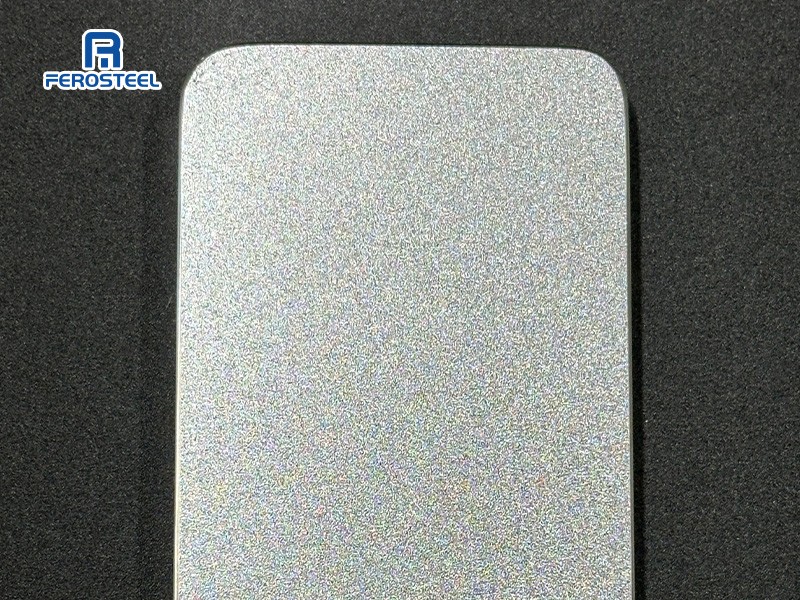
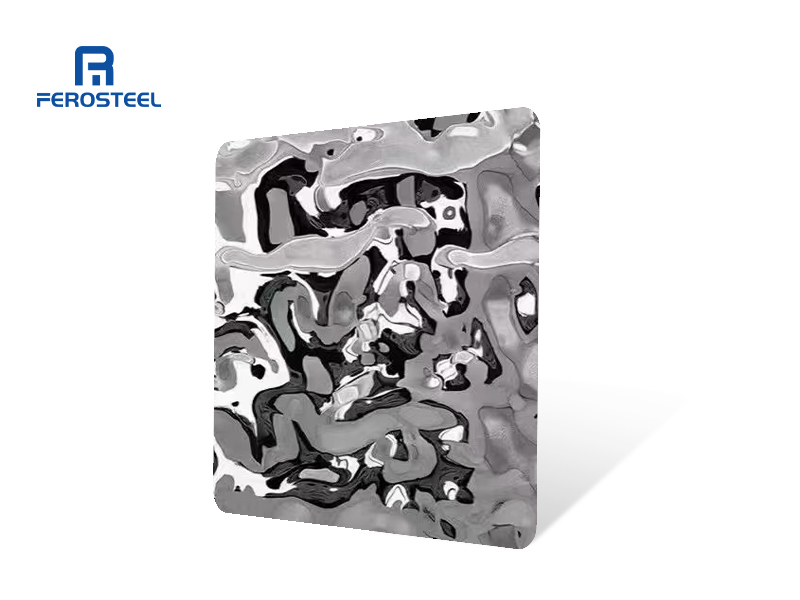
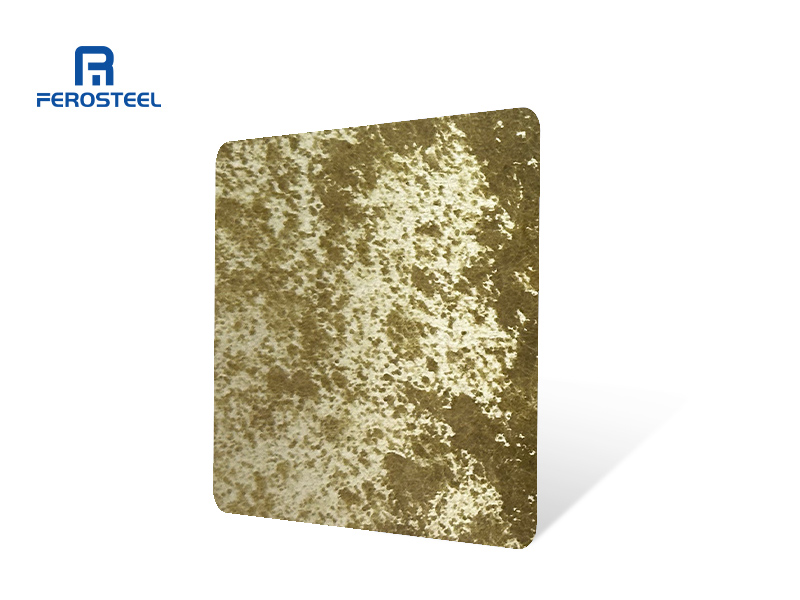
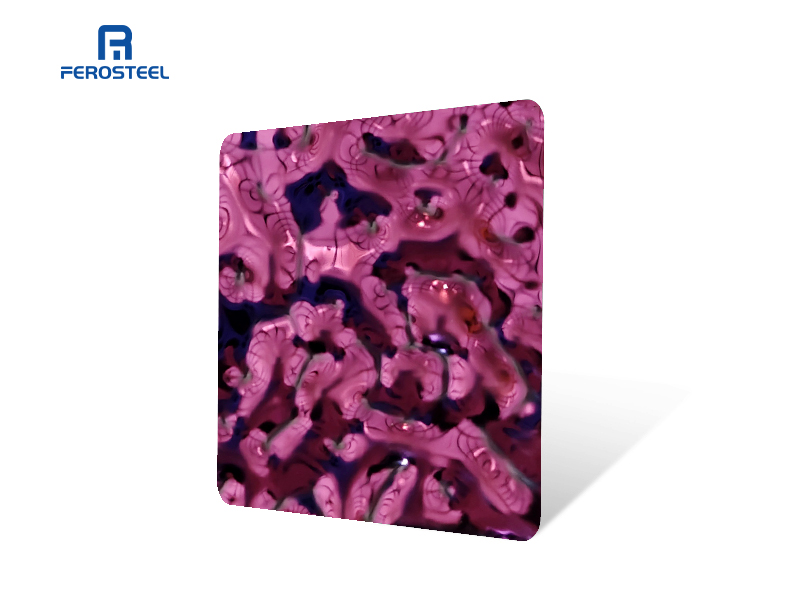
Depending on the design and usage requirements, stainless steel countertop sheets can be produced in different surface finishes:
Each surface type serves a different purpose, balancing appearance and practicality.
Stainless steel countertop sheets are used in a wide range of environments:
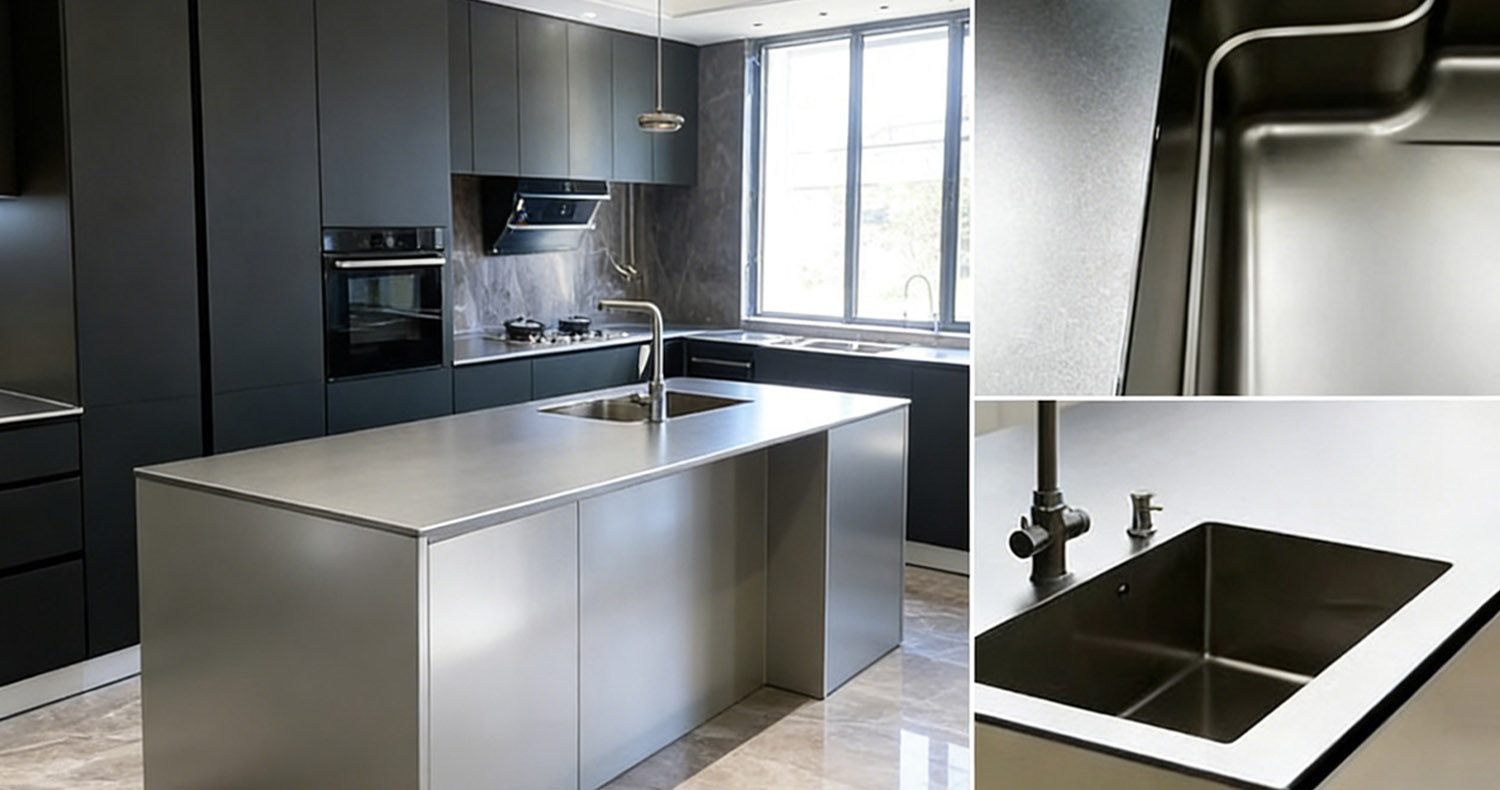
In commercial environments, stainless steel is often the preferred material because it meets hygiene standards and performs reliably under continuous use.
These specifications can be adjusted depending on project requirements and application scenarios.
Stainless steel countertop sheets are relatively easy to process. They can be cut, bent, welded, and formed into different shapes depending on the design requirements. In most cases, they are installed on a stable base such as wood or metal framing to ensure structural support.
Proper installation is important to avoid vibration and ensure long-term stability, especially in commercial kitchen environments where equipment is frequently used.
Although there are many alternative materials available today, stainless steel continues to be widely used because of its reliability. In practical use, it may not always be the most decorative option, but it consistently performs well under demanding conditions.
For businesses such as restaurants or food processing plants, downtime caused by surface damage or maintenance is costly. Stainless steel helps reduce these risks by providing a stable and low-maintenance working surface.
Yes. It is one of the most commonly used materials in both commercial and residential kitchens due to its durability and hygiene performance.
It can develop surface scratches over time, especially under heavy use. However, brushed or treated finishes can help reduce visible marks.
Yes. Stainless steel has excellent heat resistance and can withstand high cooking temperatures without damage.
On polished surfaces, fingerprints may be visible. Anti-fingerprint coatings help reduce this issue significantly.
Most applications use between 0.8 mm and 3.0 mm depending on structural design and usage conditions.
Yes. They can be customized in size, thickness, finish, edge design, and fabrication requirements.
It is widely used in kitchens, restaurants, hotels, laboratories, and industrial facilities.
Basic cleaning with water or mild detergent is sufficient. Abrasive cleaning tools should be avoided to protect the surface finish.
Stainless steel countertop sheets remain one of the most practical surface materials for both commercial and residential applications. While the appearance is simple, the real value lies in durability, hygiene, and long-term stability.
For environments where performance matters more than decoration, stainless steel continues to be a reliable and widely accepted solution across the global market.
 Office address: 26 Floor, Shibo Financial Center, Fenjiang South Road No.38, Chancheng, Foshan, GuangDong, China
  Phone
: +86 -18024913898
Phone
: +86 -18024913898 Correo electrónico
: [email protected]
Correo electrónico
: [email protected]


 IPv6 RED SOPORTADA
 dejar un mensaje